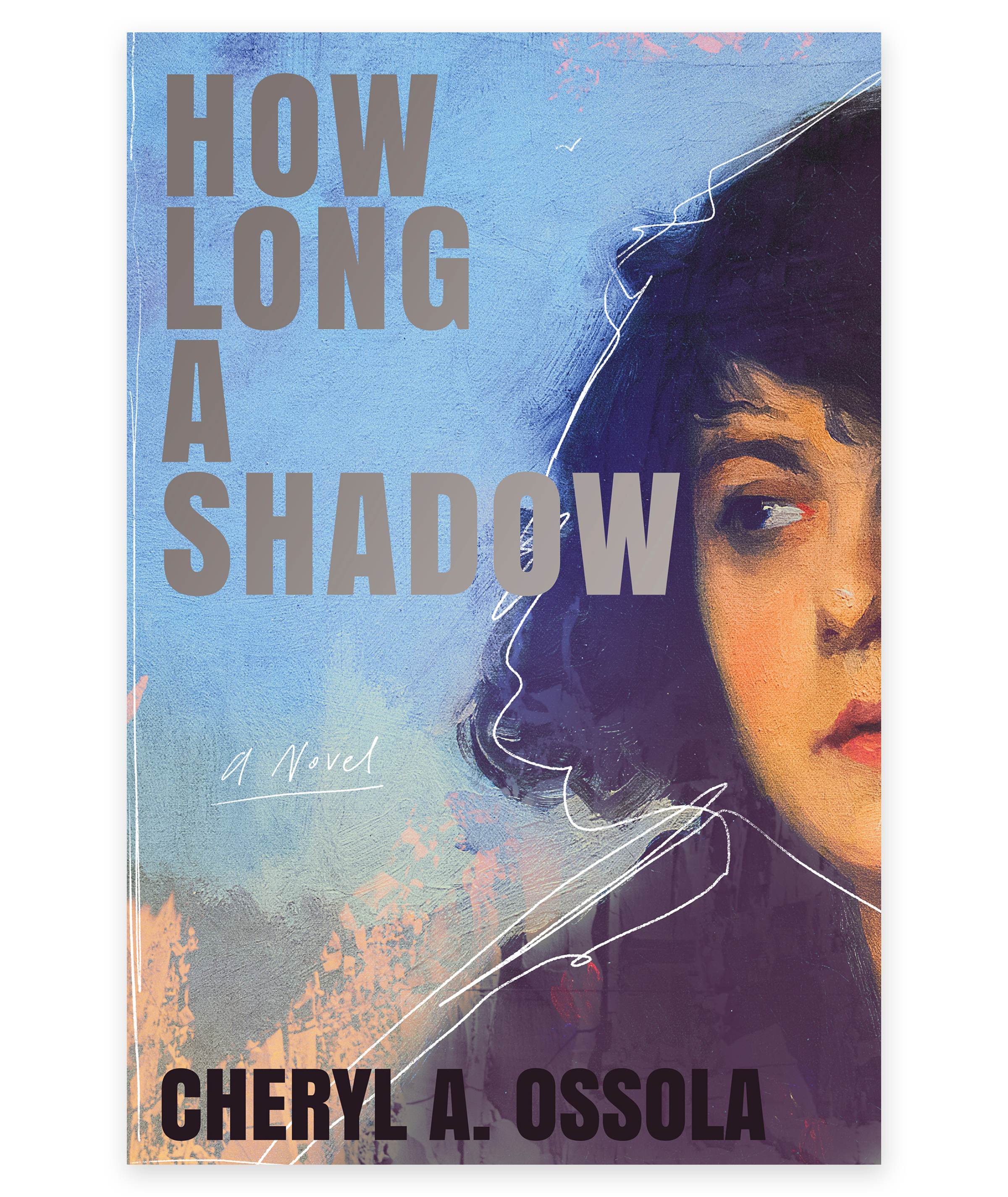
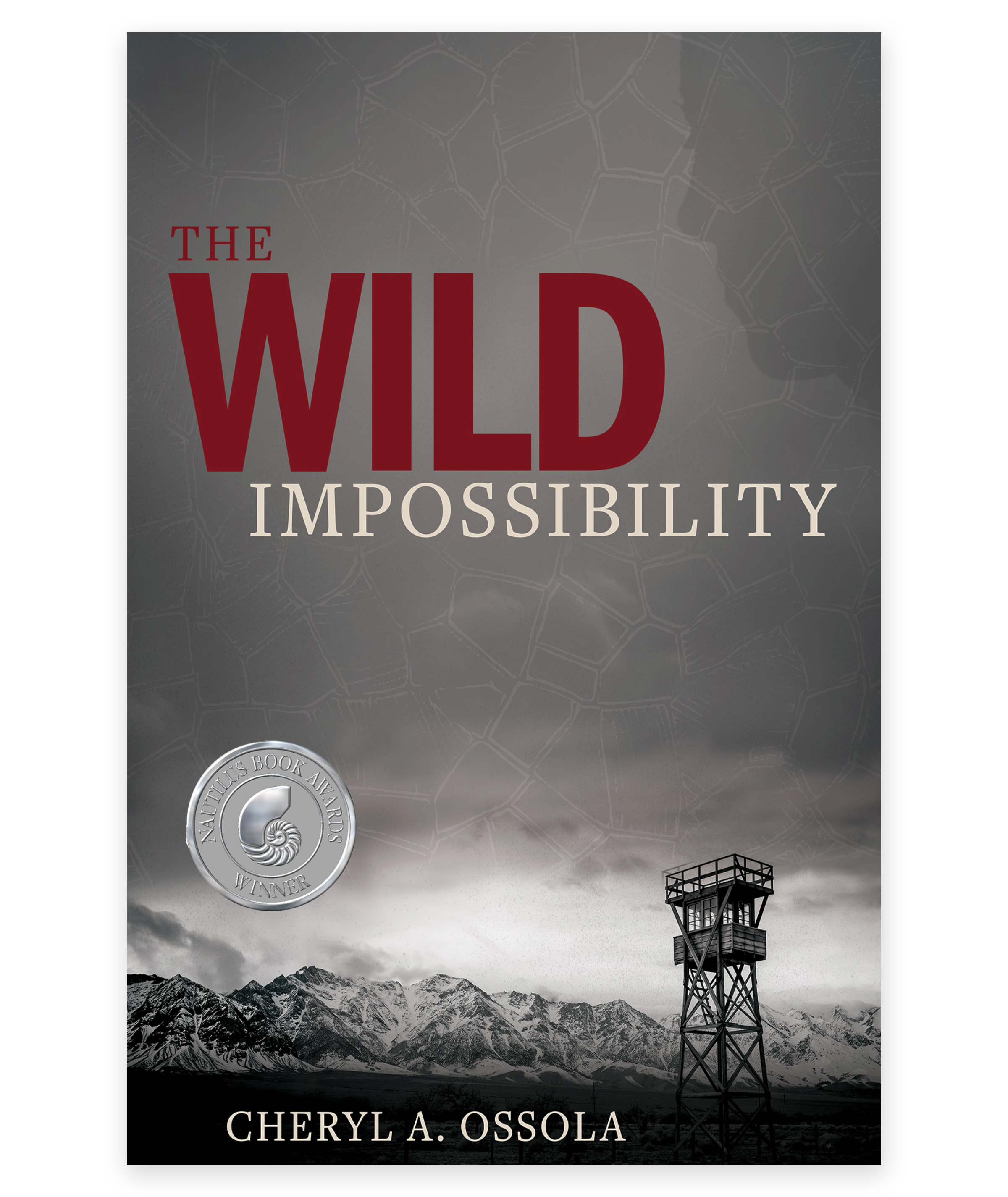
The Wild Impossibility

$19.95

2019 NAUTILUS bOOK award winner

“The Wild Impossibility is a breathtaking novel about what it means to be a mother. . . . Cheryl Ossola is a fearless writer. . . . A beautiful page-turner!” —Katie Crouch, New York Times bestselling author of Girls in Trucks and Embassy Wife

After losing both her newborn daughter and her mother, neonatal ICU nurse Kira is barely holding herself together. Then the visions begin: a teenage girl in 1945, a forbidden love affair, a baby, a gunshot, and a family secret buried for decades.

As Kira’s waking life unravels, the past presses closer. In wartime Owens Valley, California, an Italian American rancher’s daughter falls in love with a young man imprisoned at Manzanar, an internment camp for Japanese Americans. Their choices, made in a landscape of barbed wire, prejudice, and impossible longing, will echo into Kira’s life in ways she cannot yet understand.

Moving between World War II and 2011, The Wild Impossibility is a novel about motherhood, grief, racial injustice, and the stubborn endurance of love.

by Cheryl A. Ossola • first Cennan edition • 310 pages

SUPPORT INDIE PUBLISHING BY BUYING DIRECT

2019 NAUTILUS bOOK award winner

“The Wild Impossibility is a breathtaking novel about what it means to be a mother. . . . Cheryl Ossola is a fearless writer. . . . A beautiful page-turner!” —Katie Crouch, New York Times bestselling author of Girls in Trucks and Embassy Wife

After losing both her newborn daughter and her mother, neonatal ICU nurse Kira is barely holding herself together. Then the visions begin: a teenage girl in 1945, a forbidden love affair, a baby, a gunshot, and a family secret buried for decades.

As Kira’s waking life unravels, the past presses closer. In wartime Owens Valley, California, an Italian American rancher’s daughter falls in love with a young man imprisoned at Manzanar, an internment camp for Japanese Americans. Their choices, made in a landscape of barbed wire, prejudice, and impossible longing, will echo into Kira’s life in ways she cannot yet understand.

Moving between World War II and 2011, The Wild Impossibility is a novel about motherhood, grief, racial injustice, and the stubborn endurance of love.

by Cheryl A. Ossola • first Cennan edition • 310 pages

SUPPORT INDIE PUBLISHING BY BUYING DIRECT

Ebook
Ebook
$9.99

The Wild Impossibility dazzles on every page with its wonderfully rich prose. Cheryl Ossola shows how present life is infused with the past, how hearts are broken and mended, and how, at some level, there is no such thing as past or present at all. This layered novel will have its way with you.

—Nina Schuyler, author of Afterword, In This Ravishing World, and The Translator

further praise

The Wild Impossibility weaves together multigenerational, multicultural love stories that bear timely witness to our depths and heights as people and as nations, and invites us to ponder what’s possible in ways crushing and uplifting.

—Ethel Rohan, author of The Weight of Him and Sing, I

How tenaciously can memories struggle to be remembered? . . . Ossola portrays history with accuracy, but she also understands the kaidan approach that a ghost story need not equate to a horror story. What better way to relive the disappeared past?

—Richard Imamura, screenwriter of The Manzanar Fishing Club

Ossola walks a wonderful wire, sculpting a story that’s readable and timely. The novel honors its history with austere accuracy, and Ossola captures her characters’ complex emotional trajectories in gusts of poetry.

—Joshua Mohr, author of All This Life, Model Citizen, Saint the Terrifying, and The Wolf Wants Answers

In lyric prose, Cheryl Ossola takes us on an exhilarating journey. Ossola’s stunning descriptions ground us in a vivid sense of place. . . . Masterful.

—Thaisa Frank, author of Enchantment and Heidegger’s Glasses

Cheryl Ossola reminds us that prejudice and racial hatred lie just under the surface and can lead to unspeakable harm to many or reverberate down the generations in a single family. Highly recommended.

—Jo Ann Butler, Historical Novel Society